
Blog
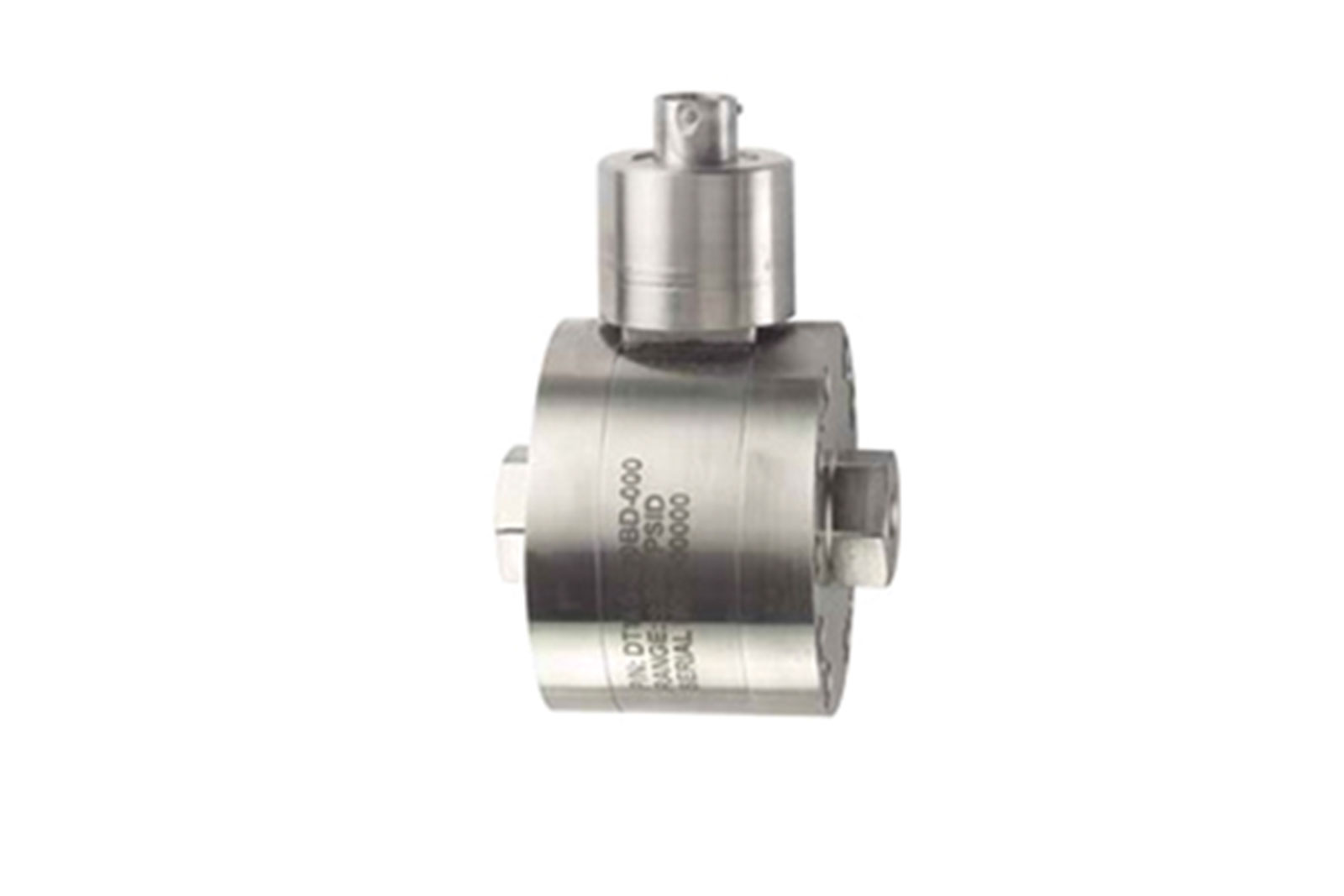
Quick Summary High line pressure and differential pressure are not the same. The precise loss depends on the range chosen, the effect of temperature and proper fittings. It also depends on calibration so that small losses can be accurately measured. A pressurized system can look healthy while a filter quietly restricts flow. A high line pressure transducer helps identify that restriction by measuring a small pressure difference within a much higher operating pressure. Achieving useful accuracy requires more than choosing a sensor that withstands pipeline pressure. What a High Line Pressure Transducer Measures Line pressure is the pressure acting on...
Read More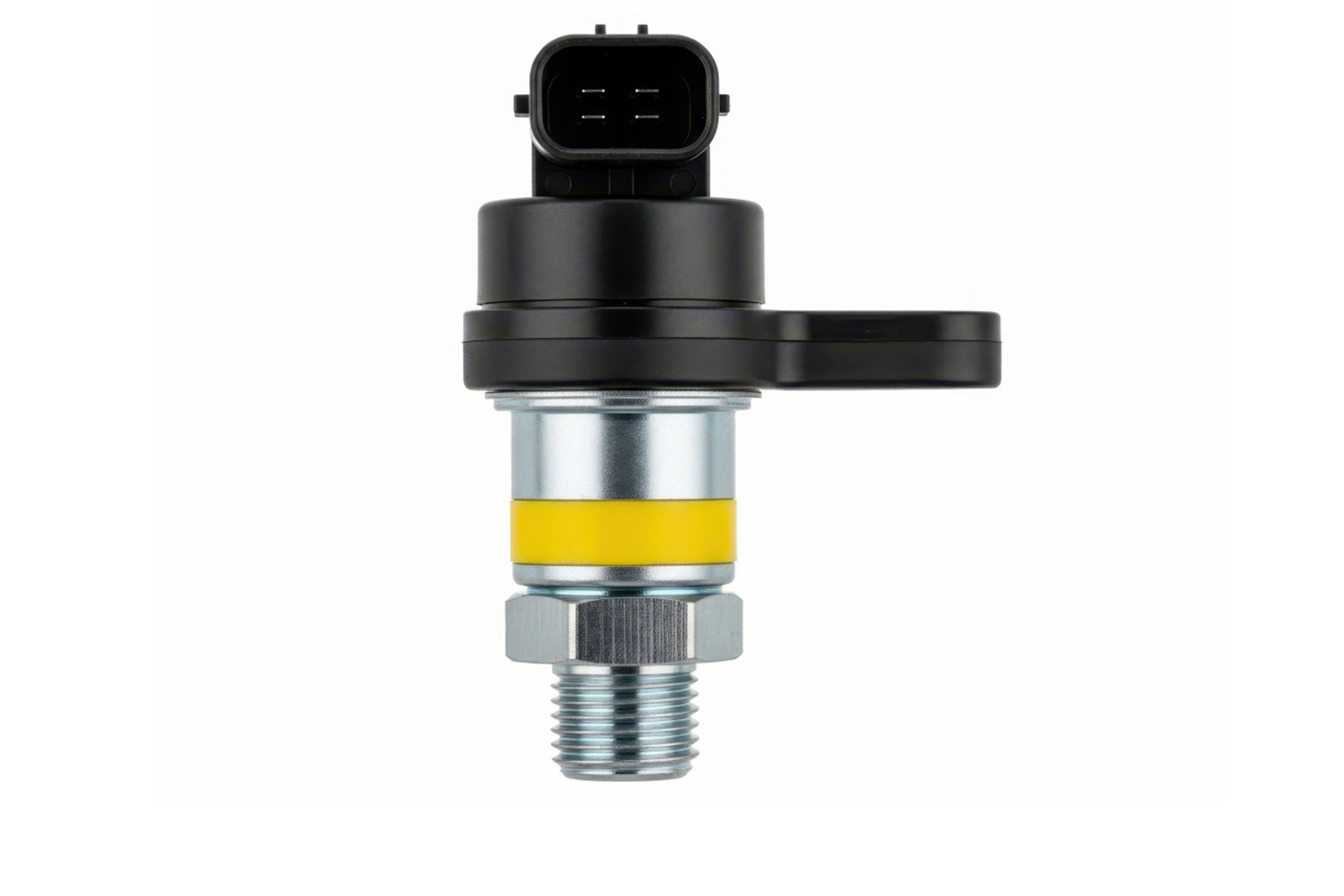
Quick Summary Small transducers can be installed closer to the measurement point and require less environmental plumbing when surrounded by high- density piece of equipment. The benefit of a "squeezer" is also weighed against the range of the pressure, temperature profile, electrical fit and access for install. Smaller case does not necessarily mean more accuracy. Crowded equipment often forces engineers to mount a pressure sensor wherever space remains. A small pressure transducer can change that arrangement, bringing the measurement closer to the point that actually matters. The upgrade comes from better placement and a suitable specification, rather than size alone....
Read More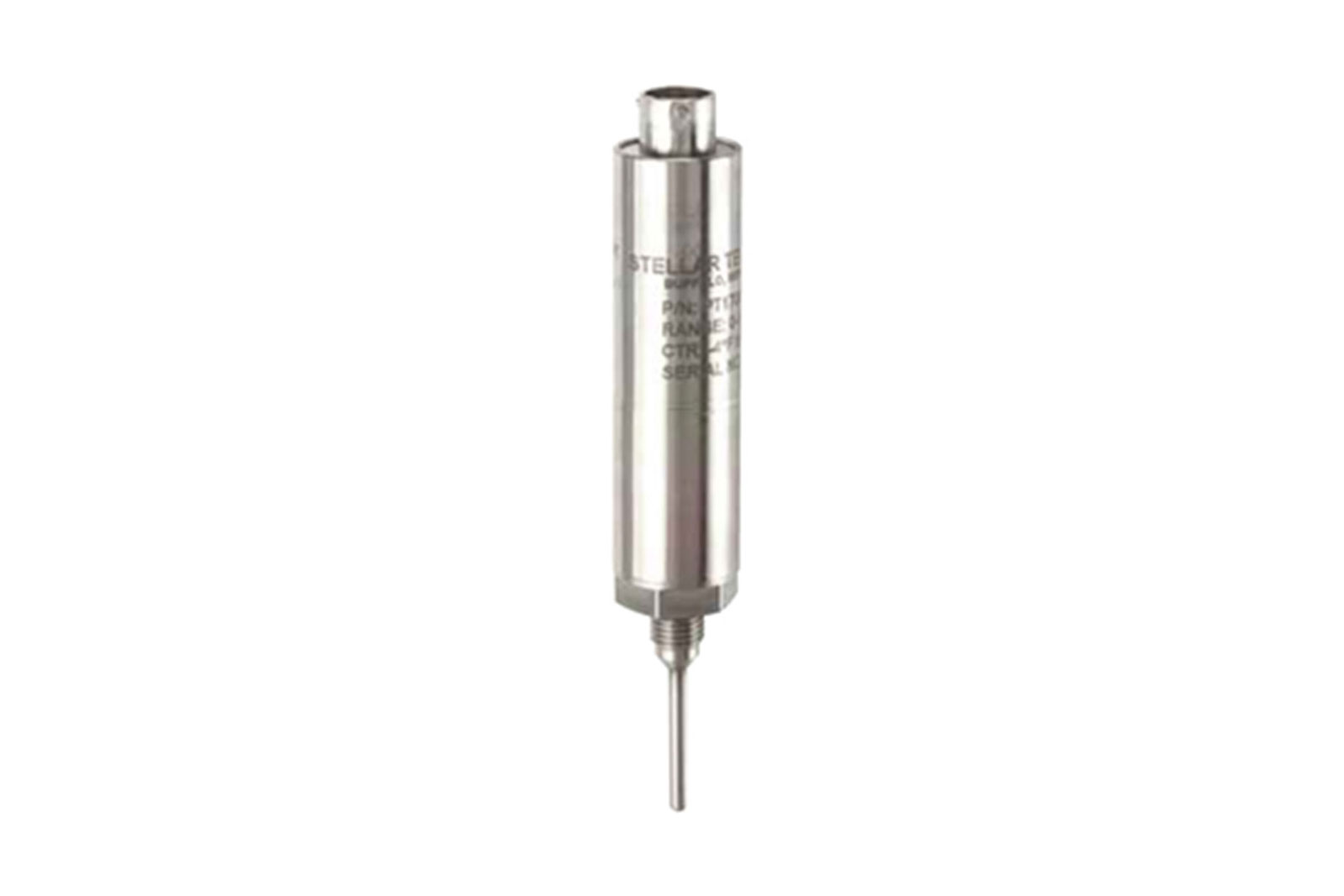
Quick Summary Dual arrangements may involve combining pressure and temperature, providing two pressure channels or one measurement with multiple outputs. Each arrangement addresses a different challenge and specification clarity is crucial. Combined packaging minimizes the number of connections but redundancy still necessitates an independent analysis of shared components, channels, fault detection and calibration. Having two signals from a single housing can simplify equipment, but the signals are not always two pressure signals. The term dual pressure transducer needs a definition before it can be a meaningful specification. Defining what each channel measures helps engineers avoid confusing two different measurements with...
Read More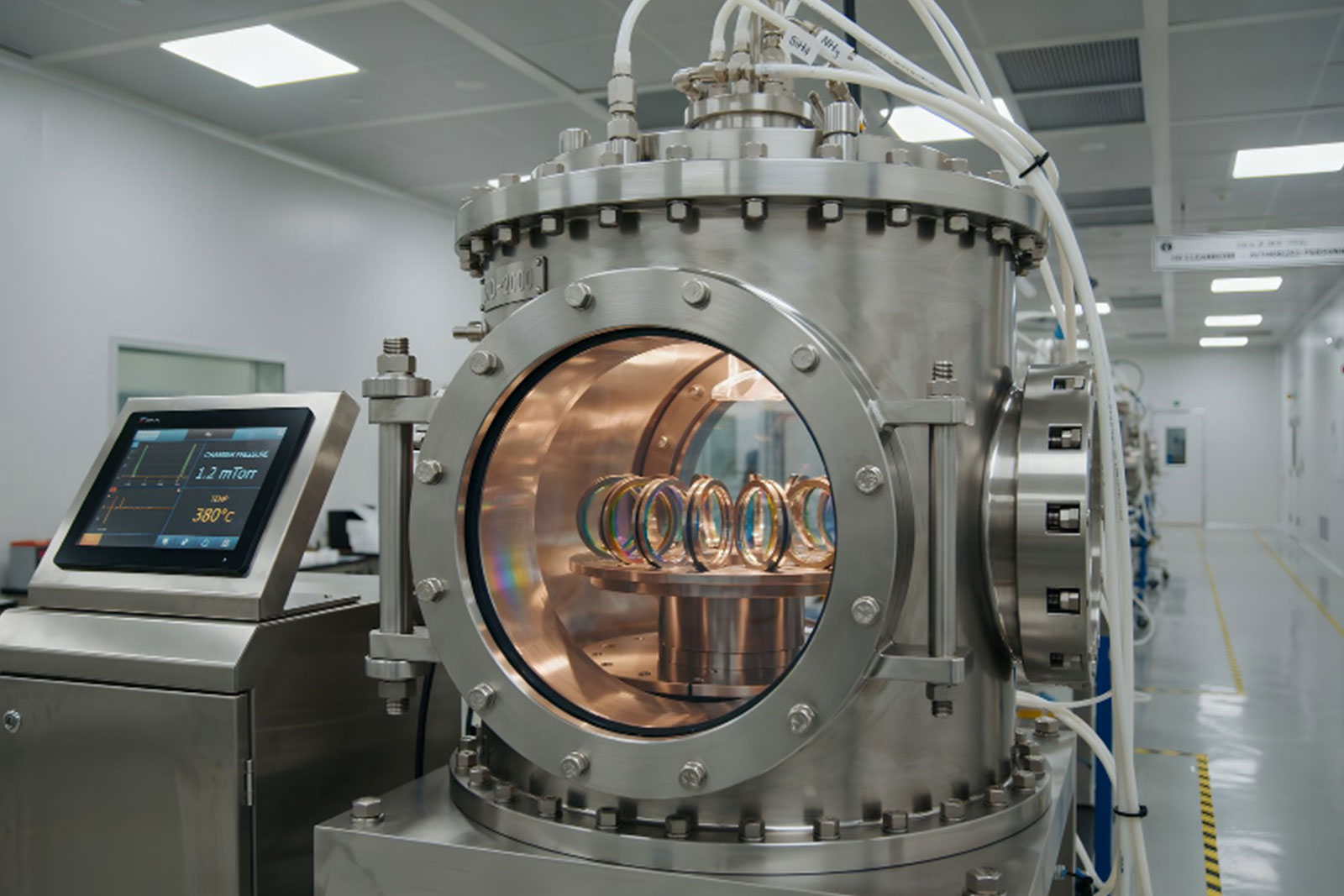
Quick Summary Vacuum pressure is lower than the local atmospheric pressure, yet gauge and absolute sensors express it differently. In simple terms, novices must select the reference first and then look at the range, accuracy, materials, and connection arrangement. Normal diaphragm sensors are appropriate for specific vacuum ranges; extremely low absolute pressures may need other measurement principles. A vacuum reading can confuse beginners because the same chamber condition may appear as a negative or positive number. A vacuum pressure transducer measures pressure below atmospheric conditions using a specified reference. Once that reference is clear, choosing the range and interpreting the...
Read More