
Blog
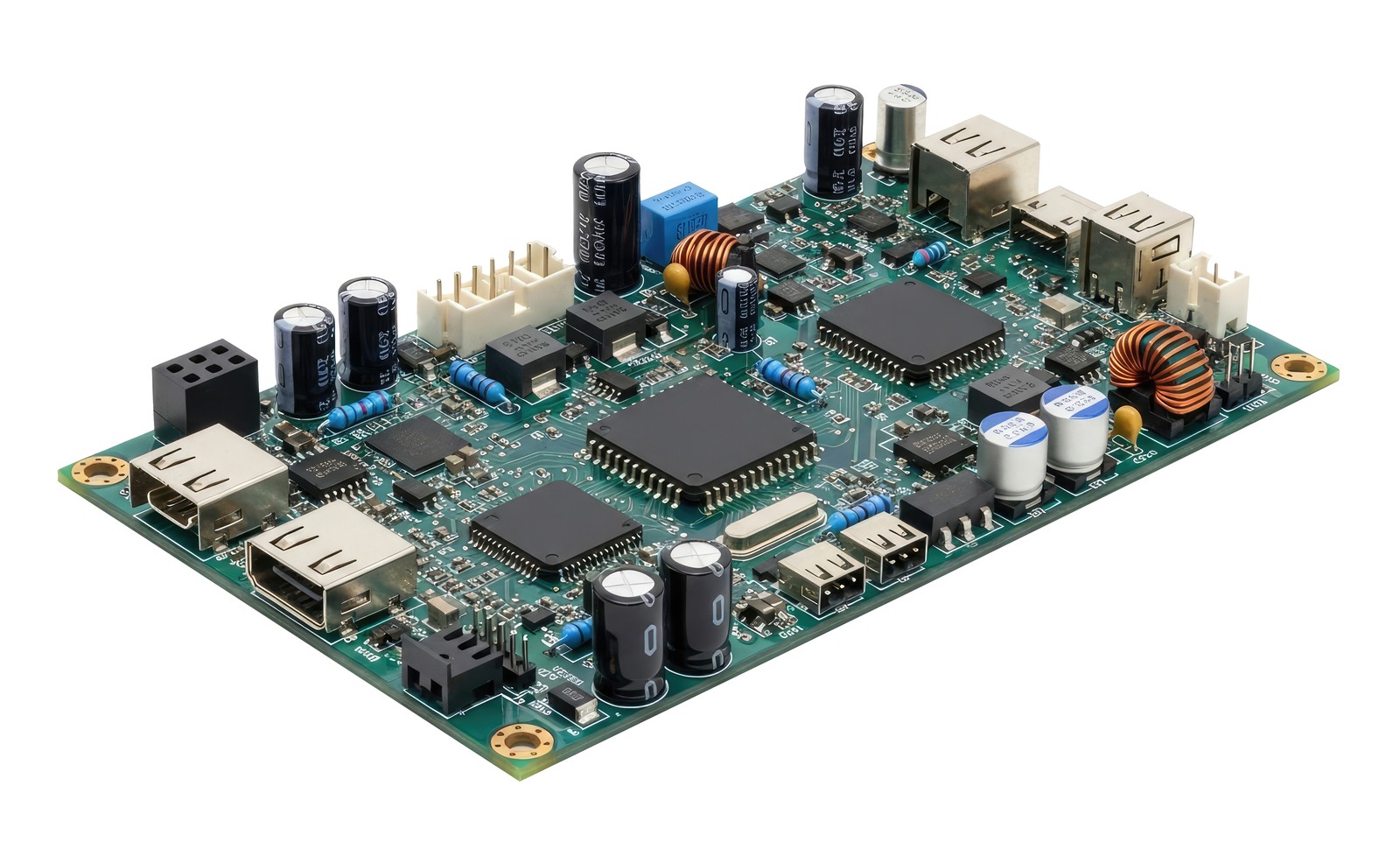
Amplification is what lets a 2 millivolt bridge output use a converter's full span instead of a dozen counts, though gain amplifies noise alongside signal and only filtering separates them. Offset shifts readings by a fixed amount, gain error grows toward full scale, and thermal drift moves both as a cabinet warms, which is why amplifiers quote drift per degree. Tight filtering cleans a signal and delays it, so bandwidth has to match the phenomenon being measured. Ground potential differences create loops that produce believable but wrong readings, countered by isolation, common mode rejection, and current loop outputs. Two engineers...
Read More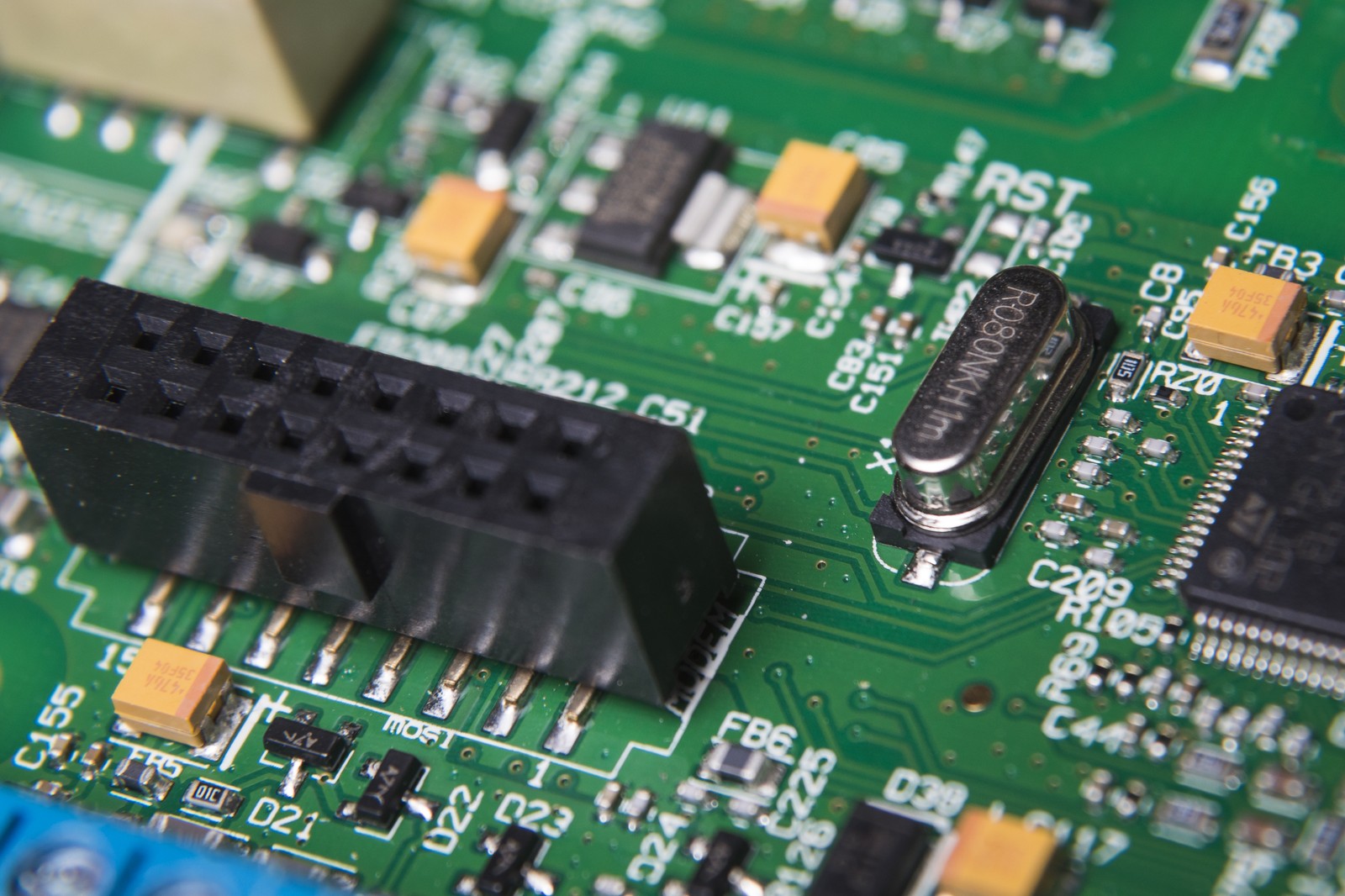
Conditioning sits between the sensing element and the recording system, and it can live inside the sensor, on the cable, or in a cabinet without changing the electrical work being done. Passive elements need excitation, commonly a regulated three to ten volts for bridges and an alternating drive for displacement transformers, and any drift in that supply appears as false measurement. Gain is set so that full scale at the sensor fills full scale at the converter, while filters trade noise rejection against response speed. Isolation through a DC-to-DC converter breaks ground loops, linearization straightens bent sensor curves, and scaling...
Read More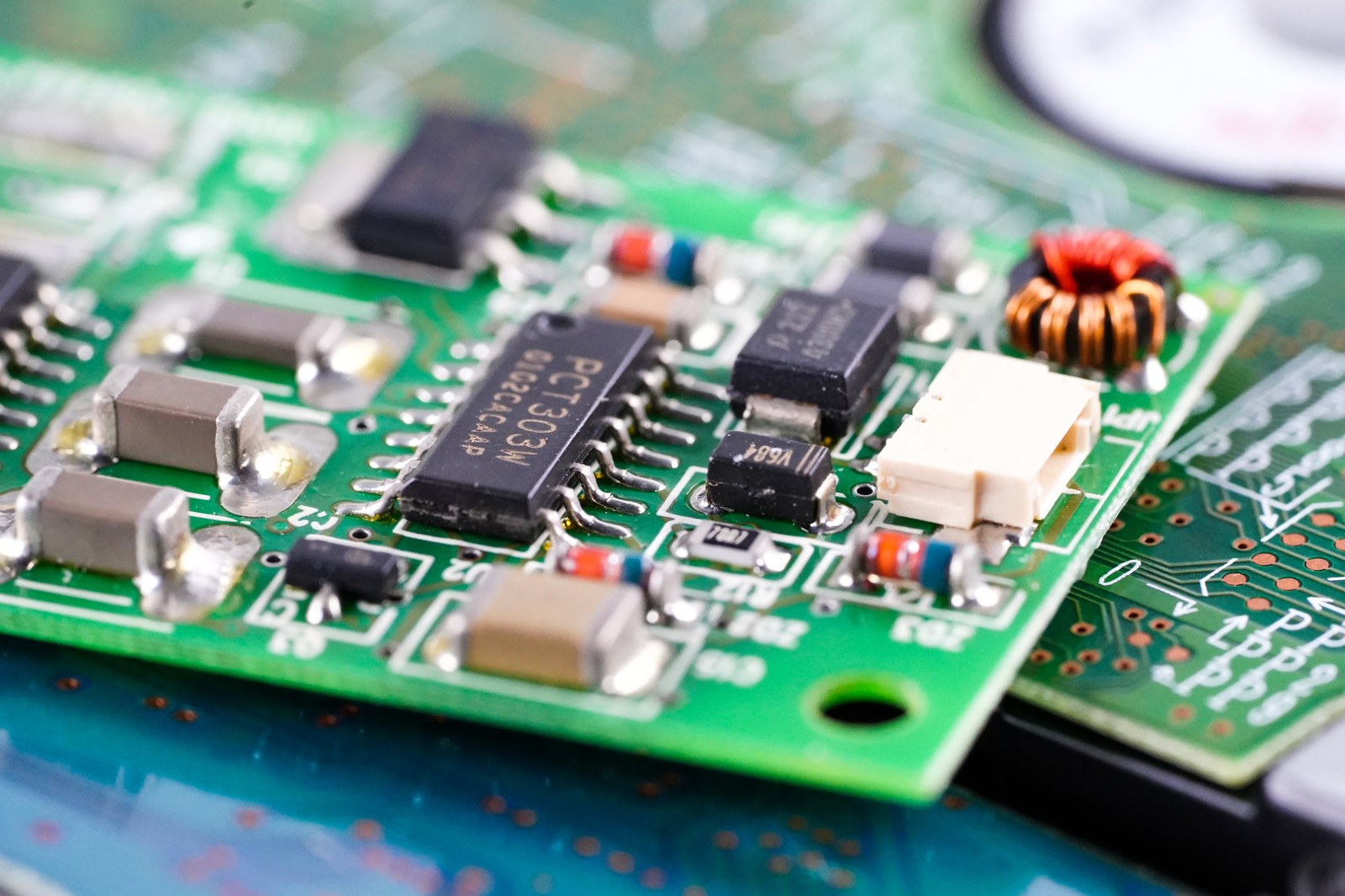
Aerospace test programs need low drift amplifiers and documented calibration for data reviewed years later. Wellsite equipment converts to current loops so long cable runs and hazardous area rules can both be satisfied. Plant panels favor rail-mounted units with accessible excitation and gain, since drives in the same cabinet make isolation practical rather than optional. Laboratory work prioritizes low noise, shunt calibration and traceable paperwork. Power sites lean on isolation against ground potential differences and on long term stability, while regulated manufacturing treats amplifier drift as a validation risk. Industries that look nothing alike very often share the same measurement...
Read More
Measurement is the silent backbone of innovation. From the deepest oceans to the farthest satellites, accurate data is key. Precision shapes our world, whether in the fine balance of forces in a spacecraft or the delicate equilibrium in automotive design. At the heart of precise measurement lies a vital component: the single-point load cell. At Stellar Technology, the single-point load cell stands as a testament to our commitment to accuracy. Born from our aerospace heritage, these cells are designed for critical uses where every gram counts. Aerospace demands the best, and we deliver this level of quality across all industries. Our load cells...
Read More