
Quick Summary
Dual arrangements may involve combining pressure and temperature, providing two pressure channels or one measurement with multiple outputs. Each arrangement addresses a different challenge and specification clarity is crucial. Combined packaging minimizes the number of connections but redundancy still necessitates an independent analysis of shared components, channels, fault detection and calibration.
Having two signals from a single housing can simplify equipment, but the signals are not always two pressure signals. The term dual pressure transducer needs a definition before it can be a meaningful specification. Defining what each channel measures helps engineers avoid confusing two different measurements with one measurement taken twice.
What a Dual Pressure Transducer Can Mean
The term dual can refer to two pressure channels, pressure and temperature, or outputs that offer a single pressure reading, depending on the design. They fulfill different functions. Begin by identifying the parameters you need and the application for each output.
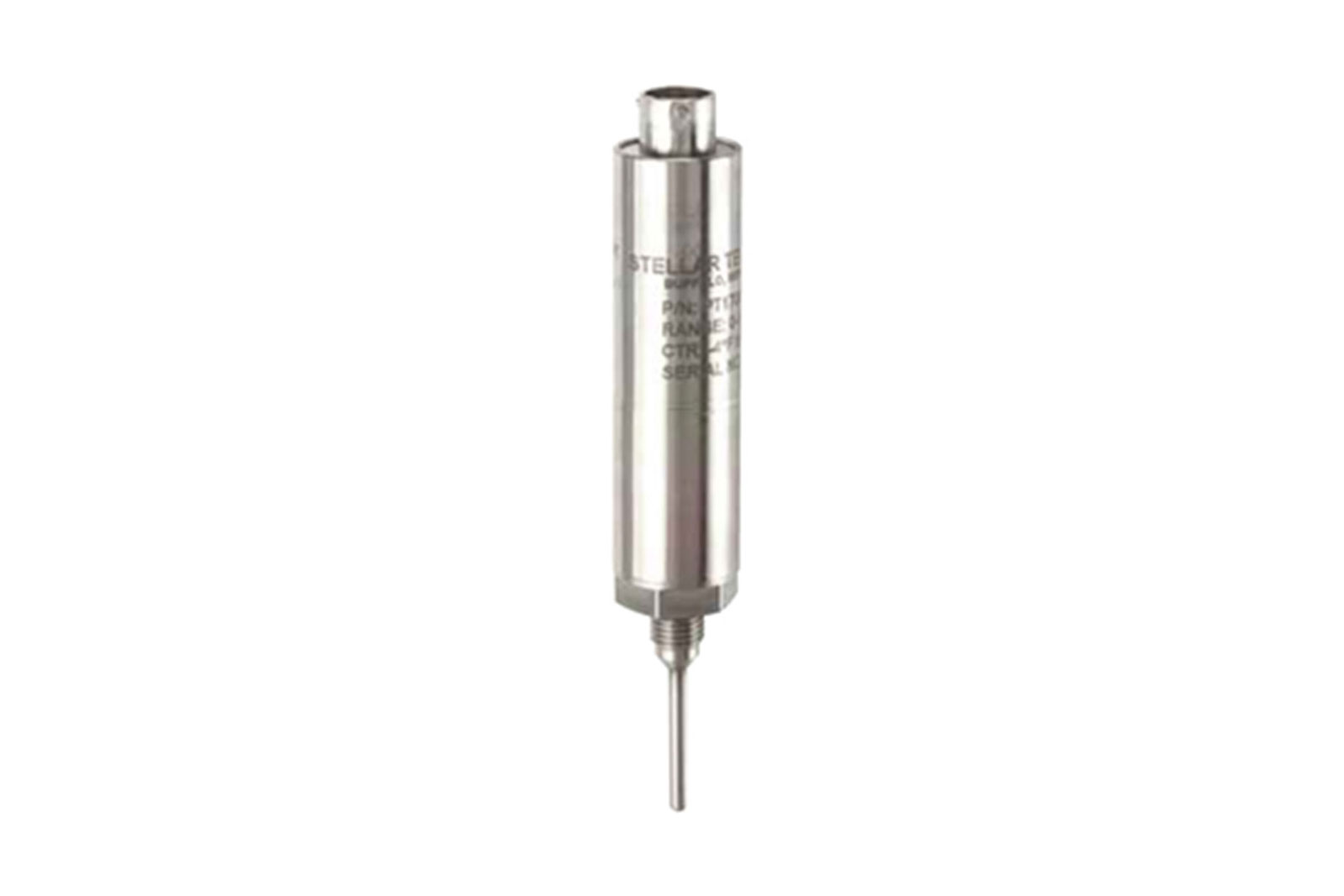
Our PT170 pressure and temperature transducer at Stellar Technology combines both measurements in a welded stainless steel package. It uses an RTD for temperature measurement, rather than a second pressure channel.
Purchase documents and control drawings should state exactly what each channel measures. A technician should be able to find a signal and interpret its intent without guessing what the product name might mean. Clarity of channel definitions helps avoid wiring errors and unachievable expectations for fault detection.
Combine Measurements Where They Add Context
Pressure alone may leave an operating change unexplained. In a gas-filled vessel, for example, temperature affects how engineers interpret a pressure change. Recording both conditions gives a more complete picture than treating every pressure increase as an added gas quantity.
For liquid systems, temperature can influence viscosity and the pressure loss through a restriction. Combined readings help engineers separate changing fluid conditions from changing equipment resistance. They still need process knowledge to interpret that relationship correctly.
One package can also place the measurements near the same process location. However, pressure and temperature may respond at different speeds. Check timing before using the two channels to explain a rapid event.
Reduce Connections Without Ignoring Installation Details
A combined sensor can reduce the number of process connections needed for two measurements. Fewer connections may simplify piping layout, wiring, and replacement planning. The benefit depends on the design and the equipment it replaces.
Consider a crowded manifold that needs pressure and temperature data. A suitable combined package may avoid adding a separate temperature fitting. Confirm that the probe position samples the fluid condition you actually need to measure.
Probe length and orientation deserve attention. A temperature element placed poorly may respond to a local pocket rather than representative flow. Compact installation is useful only when both measurements remain meaningful.
Treat Redundancy as a Separate Design Question
Two pressure channels can allow comparison between readings. If they disagree, the controller can flag a problem for investigation. Disagreement alone does not identify which channel is correct, so the response needs deliberate design.
Shared hardware can limit the independence of those channels. A blocked common pressure port could affect both readings together. Shared power, wiring routes, or electronics can create other common failure paths.
Define the faults the architecture must detect before selecting a redundant arrangement. Then evaluate channel independence, diagnostics, and the action taken after a mismatch. Two outputs should not be treated as automatic evidence of a fault-tolerant system.
Check Electrical Independence and Data Timing
For pressure-and-temperature designs, separate circuits can help integrate the channels into different inputs. Verify output type, power requirements, pin assignments, and isolation details. Do not assume both channels use identical scaling.
If one measurement arrives later than the other, their apparent relationship can become misleading during fast changes. Check acquisition timing and any channel-specific filtering. This matters when engineers calculate a derived value from both measurements.
Keep channel names and units explicit in stored data. A pressure column labeled only as channel one becomes harder to interpret after a test. Good records preserve meaning when someone reviews the results months later.
Calibrate Each Measurement for Its Intended Use
A combined package still contains measurements with different calibration needs. Pressure testing does not establish temperature accuracy, and a temperature check does not validate pressure response. Review each channel against its own working range and tolerance.
Check relevant cross-effects as part of the evaluation. Temperature changes may influence the pressure reading even when the temperature channel measures correctly. Include those interactions when the application needs a tight uncertainty budget.
Our PT17XX pressure and temperature transmitters combine two independent circuits with amplified output options. They offer another configuration when the receiving system needs conditioned measurements.
Choose Dual Sensing for a Defined Purpose
Combined measurements can simplify a system, while redundant pressure channels can serve a different monitoring objective. Name that objective before choosing the package. Then verify placement, electrical behavior, calibration, and fault response against the task each channel must perform.
Build the Right Combination of Measurements
We manufacture PT170 transducers and PT17XX transmitters at Stellar Technology for combined pressure and temperature measurement. Tell us which signals your application needs, and request a quote for a suitable configuration.
FAQs
Do two outputs always mean two pressure sensors?
No. They may represent pressure and temperature, or two electrical formats from one pressure measurement.
Can redundant pressure channels share one process port?
Some designs can, but a shared blockage may affect both channels. Evaluate shared failure paths before relying on the arrangement for fault detection.
Does one calibration cover both pressure and temperature?
Each measurement needs appropriate calibration evidence. Also assess interactions that could affect the pressure reading as temperature changes.