
Quick Summary
Small transmitters may be able to be mounted closer to key pressure taps, and may include signal conditioning. However, the accuracy will still be a function of range, temperature, mounting and the receiving electronics. Determine the total error budget and verify performance after installation, instead of relying on the tiny transmitter to give more precise measurements.
An accurate pressure reading starts long before a number appears on the screen. A small pressure transmitter can help by placing conditioned measurement close to the process in equipment with limited space. The real gain comes when its range, installation, and output fit the measurement task together.
What a Small Pressure Transmitter Changes
A transmitter combines pressure sensing with electronics that deliver a usable output. Packaging those functions compactly can reduce the need for a separate amplifier near the measurement point. It also gives designers more freedom inside crowded test equipment and assemblies.
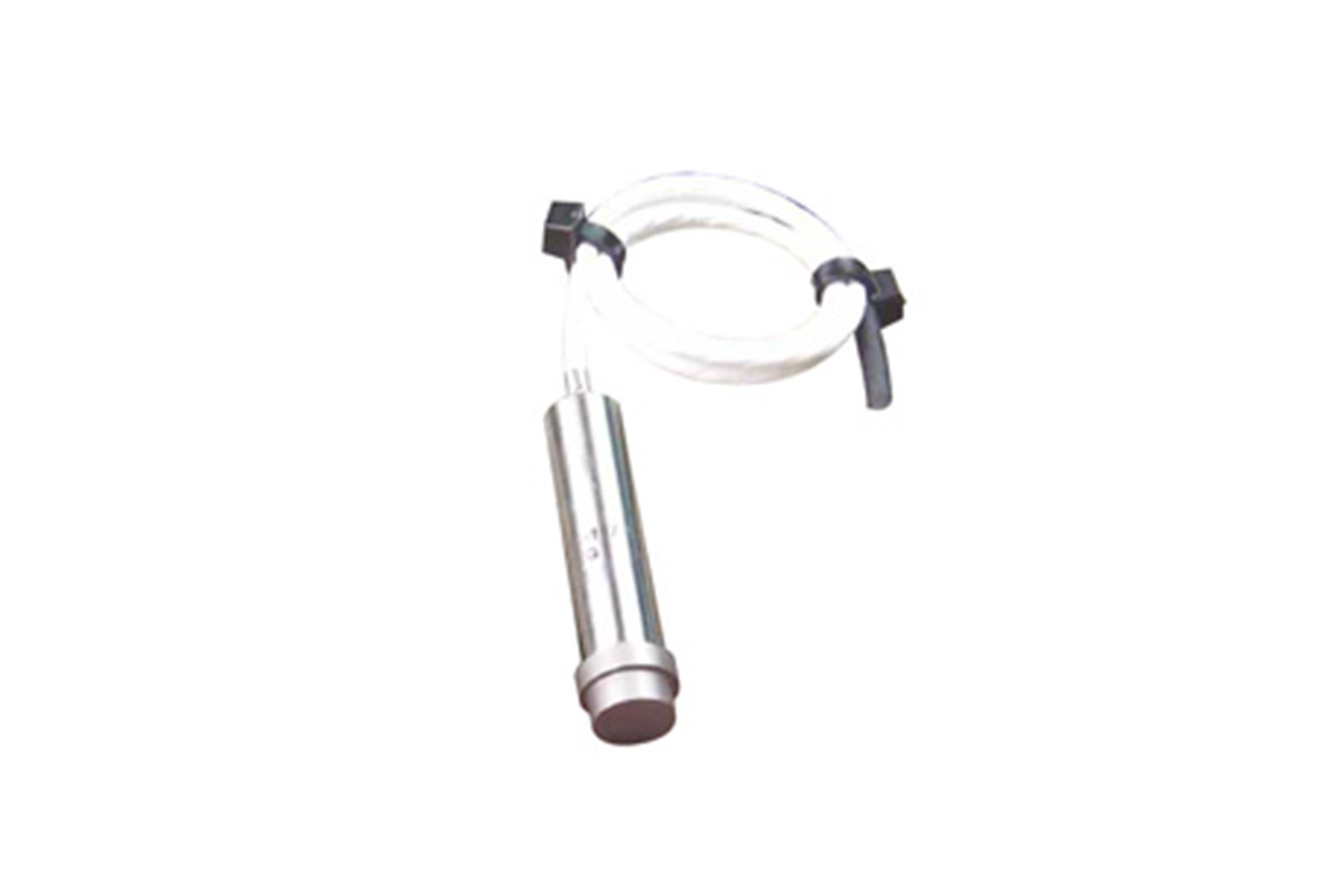
Stellar Technology’s ST15XX pressure transmitters combine a compact one-inch outside diameter with high-level analog or digital output options. Their construction includes 316 stainless steel wetted parts for applicable aerospace requirements.
Package size is only one selection factor. A transmitter must still match the pressure reference, fluid, temperature, and electrical interface. Otherwise, its small footprint solves a layout problem while leaving the measurement problem intact.
Reduce Error Through Better Placement
Pressure changes travel through the connection between the process and the sensing element. Long or restrictive tubing can alter the response, particularly during rapid events. A compact transmitter may fit closer to the pressure tap and shorten that path.
Consider a hypothetical test stand measuring the pressure during valve opening. A short connection near the valve can reveal behavior that a distant installation softens or delays. Confirm the result experimentally, since response also depends on the fluid and connection geometry.
Placement can affect static readings too. Liquid columns at different elevations introduce pressure offsets that engineers must calculate or avoid. Position the sensing connection deliberately rather than treating available mounting space as the only requirement.
Separate Resolution From Measurement Accuracy
A display with extra decimal places can look convincing. Those digits describe how finely the system presents values, not how close those values are to the true pressure. Sensor error, receiver error, and installation effects remain part of the reading.
Build an error budget in pressure units. Include the transmitter specification, temperature effects, input-module uncertainty, and any known installation offsets. This makes the tradeoffs visible before you purchase hardware.
For a hypothetical 500-psi span, ±0.2% of full scale equals ±1 psi. A display showing hundredths of a psi does not remove that uncertainty. Choose resolution that reveals useful changes without implying accuracy the system cannot achieve.
Select Range and Compensation Together
The measuring range should cover normal pressure and account for expected transients. An excessively wide range can increase absolute error when specifications use full scale. Insufficient range can saturate the output during an event you wanted to capture.
Temperature compensation deserves equal attention. Check the specified compensated range against the temperature at the installed transmitter. An operating temperature limit establishes survivability, while compensated performance describes measurement behavior under stated conditions.
Also consider warm-up and changing ambient conditions. An installation that performs well during a short room-temperature test may behave differently through a production shift. Validate representative conditions rather than extrapolating from a single convenient test.
Protect the Conditioned Output
Internal electronics shorten part of the low-level signal path, but they do not eliminate electrical integration problems. A voltage output still needs a compatible receiver and suitable grounding. A current loop still needs adequate supply voltage and load capacity.
Digital communication adds its own checks. Verify message interpretation, units, sample timing, and behavior when communication stops. A clean numerical value is useful only when the receiving system reads it correctly and knows when it becomes stale.
Record the permitted data age in the measurement specification. That gives commissioning personnel a concrete timing requirement to test.
Route cables away from interference sources where practical. Check the recorded signal while nearby drives and switching equipment operate. Testing an idle machine can miss noise that appears only under production conditions.
Verify Accuracy After Installation
Apply known pressures and compare the recorded values across the working range. Check rising and falling pressure, then repeat relevant points after the equipment warms. This reveals behavior that a simple zero check cannot show.
Our repair and calibration services can help assess transmitter drift or damage when results change unexpectedly. Retain the model, serial number, and operating history for the evaluation.
Make Compact Measurement Earn Its Accuracy
A compact transmitter can improve placement and simplify the signal chain, but the installed system must demonstrate the benefit. Match the specification to the measurement tolerance and test realistic conditions. Then the smaller package becomes a practical engineering improvement instead of a cosmetic hardware change.
Specify a Compact Transmitter for Your Measurement Task
We design ST15XX pressure transmitters at Stellar Technology with compact construction and selectable electrical outputs. Talk to our engineers about your accuracy target and installation conditions to find the right transmitter.
FAQs
Does internal signal conditioning remove every electrical error?
No. Receiver accuracy, grounding, power supply behavior, and communication settings can still affect the final measurement.
Why does mounting elevation affect pressure readings?
A liquid column creates pressure from its height. Different elevations between the measurement point and sensor can introduce an offset.
How should I compare two accuracy specifications?
Convert them into pressure units at the intended range. Also compare temperature conditions and the error terms included in each specification.