
Blog
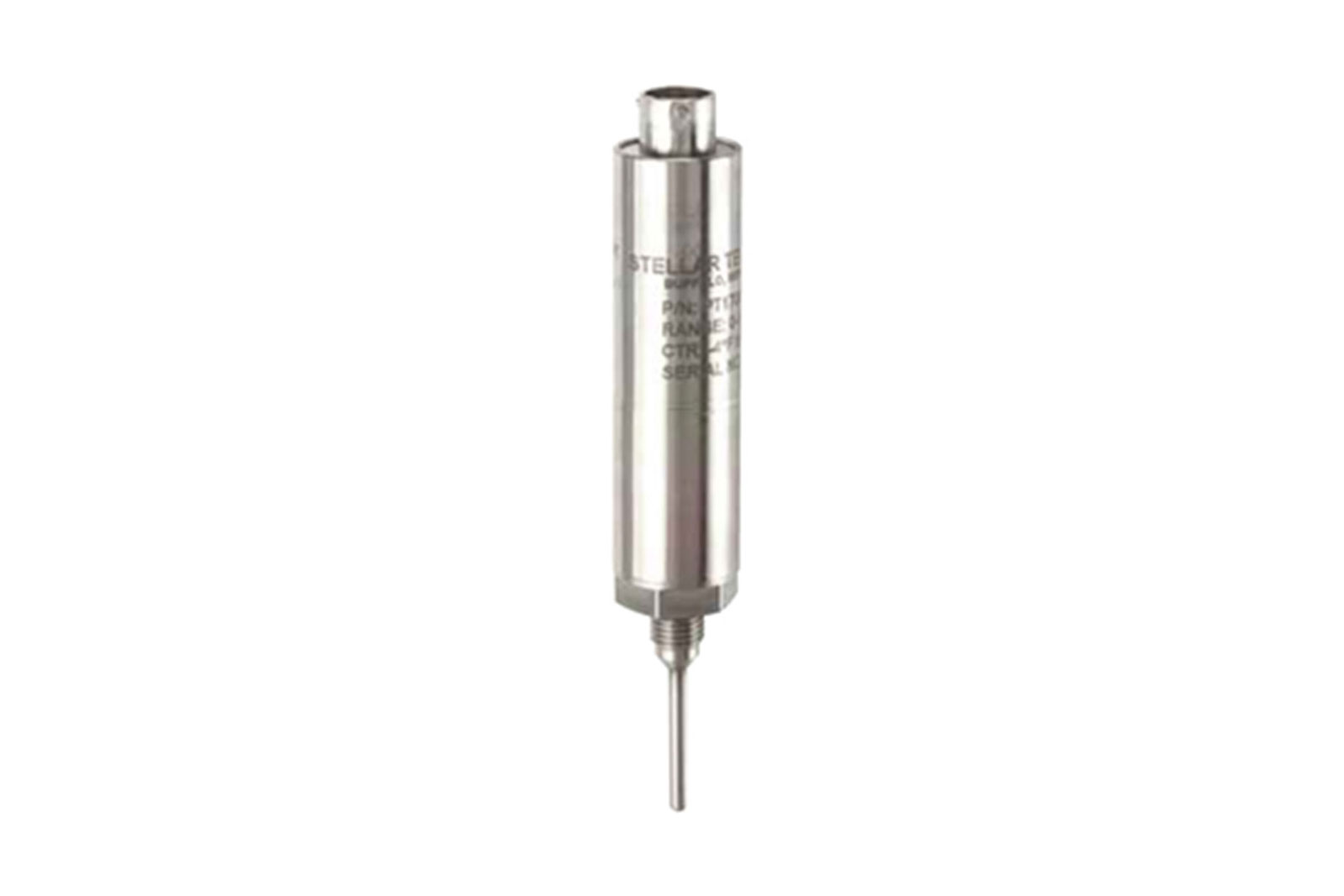
Quick Summary Dual arrangements may involve combining pressure and temperature, providing two pressure channels or one measurement with multiple outputs. Each arrangement addresses a different challenge and specification clarity is crucial. Combined packaging minimizes the number of connections but redundancy still necessitates an independent analysis of shared components, channels, fault detection and calibration. Having two signals from a single housing can simplify equipment, but the signals are not always two pressure signals. The term dual pressure transducer needs a definition before it can be a meaningful specification. Defining what each channel measures helps engineers avoid confusing two different measurements with...
Read More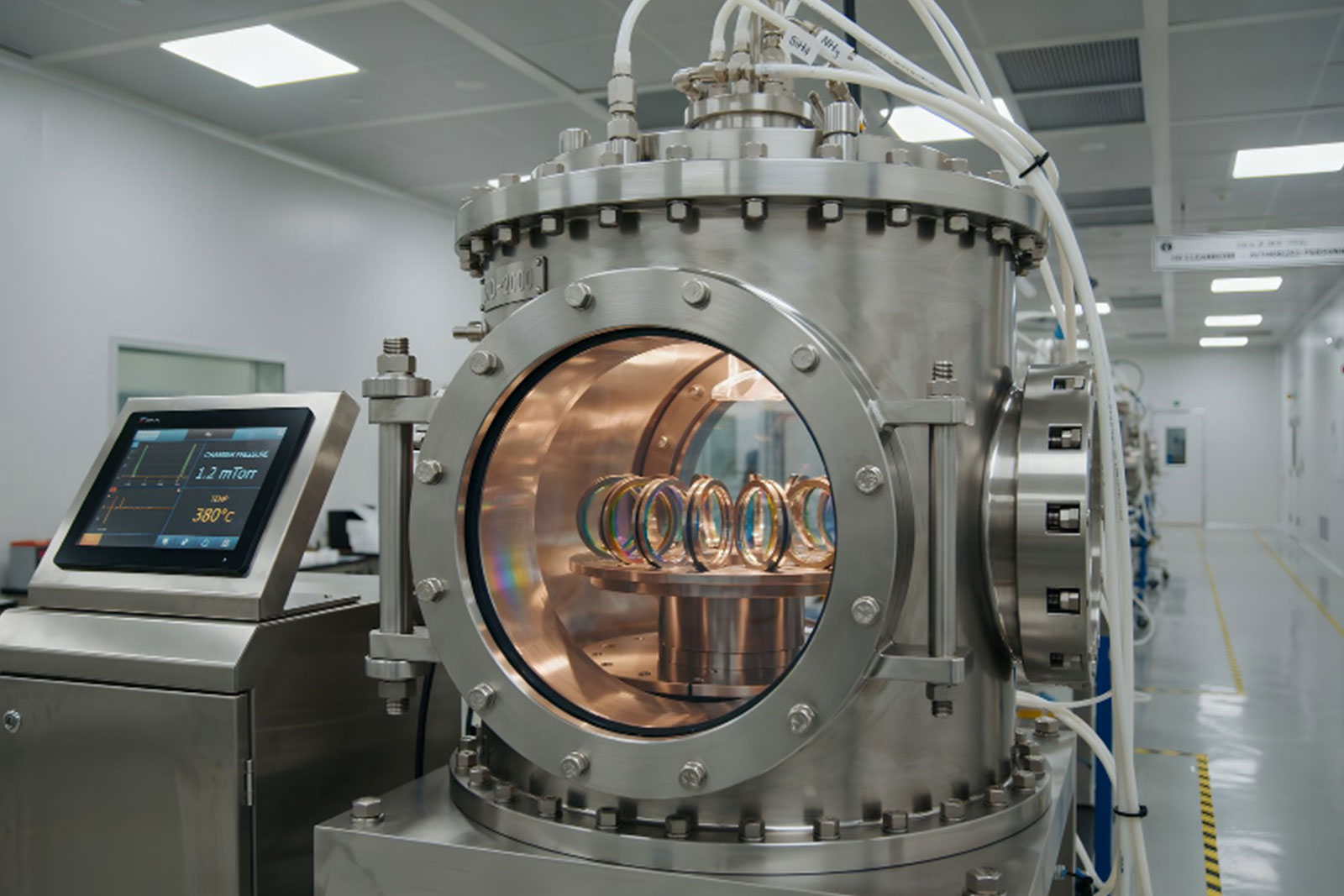
Quick Summary Vacuum pressure is lower than the local atmospheric pressure, yet gauge and absolute sensors express it differently. In simple terms, novices must select the reference first and then look at the range, accuracy, materials, and connection arrangement. Normal diaphragm sensors are appropriate for specific vacuum ranges; extremely low absolute pressures may need other measurement principles. A vacuum reading can confuse beginners because the same chamber condition may appear as a negative or positive number. A vacuum pressure transducer measures pressure below atmospheric conditions using a specified reference. Once that reference is clear, choosing the range and interpreting the...
Read More
Amplification is what lets a 2 millivolt bridge output use a converter's full span instead of a dozen counts, though gain amplifies noise alongside signal and only filtering separates them. Offset shifts readings by a fixed amount, gain error grows toward full scale, and thermal drift moves both as a cabinet warms, which is why amplifiers quote drift per degree. Tight filtering cleans a signal and delays it, so bandwidth has to match the phenomenon being measured. Ground potential differences create loops that produce believable but wrong readings, countered by isolation, common mode rejection, and current loop outputs. Two engineers...
Read More
Conditioning sits between the sensing element and the recording system, and it can live inside the sensor, on the cable, or in a cabinet without changing the electrical work being done. Passive elements need excitation, commonly a regulated three to ten volts for bridges and an alternating drive for displacement transformers, and any drift in that supply appears as false measurement. Gain is set so that full scale at the sensor fills full scale at the converter, while filters trade noise rejection against response speed. Isolation through a DC-to-DC converter breaks ground loops, linearization straightens bent sensor curves, and scaling...
Read More