
Quick Summary
Digital transducers allow for easy transfer of numeric data, setup, and networked measurement. They also have the advantage of digital compensation or additional measurement information. Depending on the device and receiver, advantages include protocol, timing, and fault acceptance, as well as combined measurement uncertainty.
Analog pressure signals remain useful, but some measurement tasks become easier when the sensor sends numerical data directly. A digital pressure transducer can reduce conversion steps and simplify configuration when its interface fits the equipment. Here are six practical reasons to consider one, along with the limits that matter.
Direct Data Transfer Reduces Conversion Steps
An analog signal reaches the recording system through a voltage or current input. That input adds its own scaling and conversion behavior. Digital transfer can avoid that external analog measurement stage between the transmitter output and the receiving software.
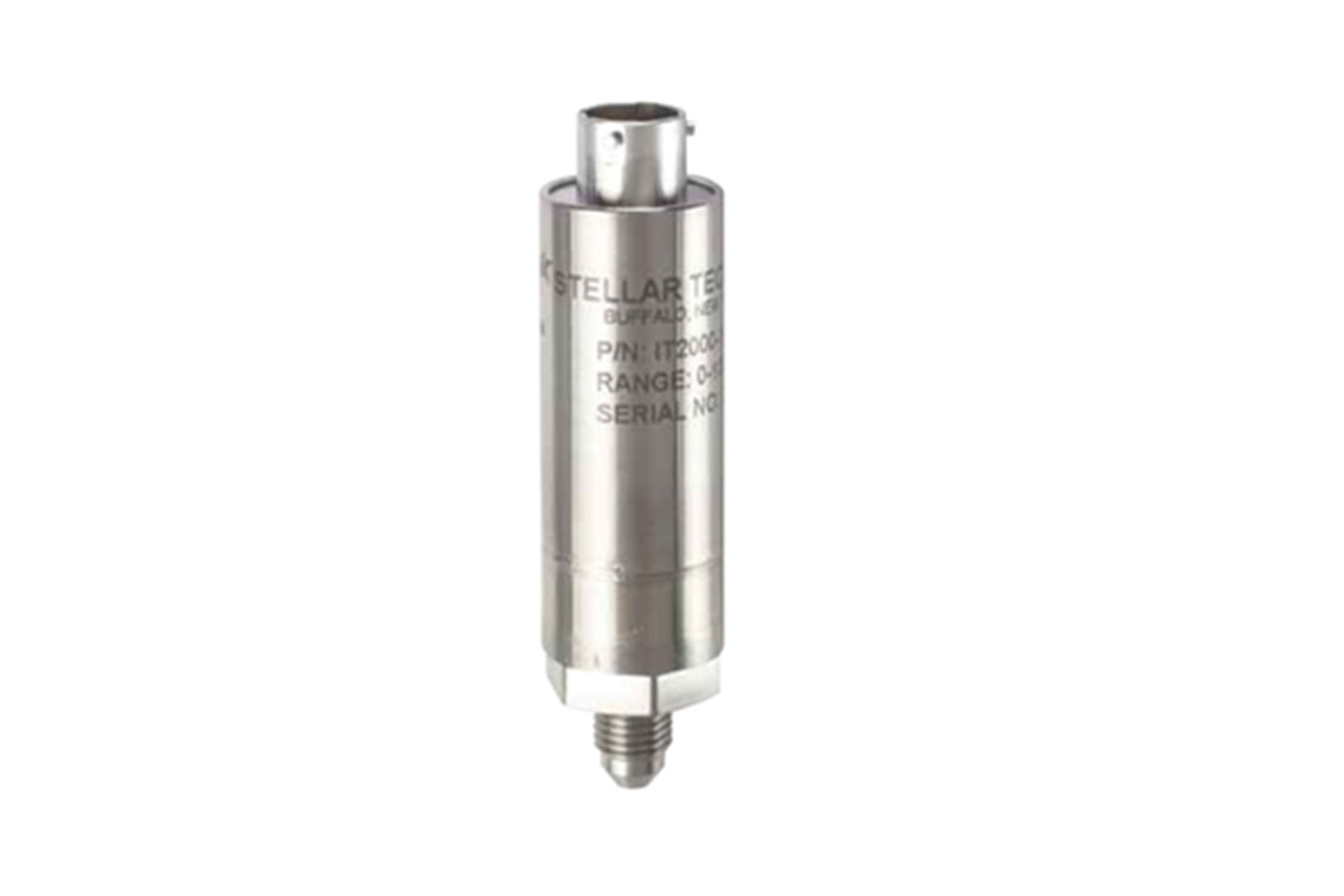
At Stellar Technology, our IT20XX intelligent pressure transducers combine digital correction with RS-232 or RS-485 interface options. They allow PC-based setup functions such as zeroing and ranging.
The pressure measurement still depends on sensing and internal electronics. Digital transfer does not remove those errors. It changes how the result reaches the receiving system, which can simplify a measurement chain when the integration is correct.
Numerical Transmission Can Preserve the Reported Value
An analog receiver interprets a changing electrical magnitude as pressure. Cable conditions, grounding, and receiver characteristics can influence that interpretation. A successfully decoded digital message carries the numerical value generated by the transmitting device.
That distinction can be useful in electrically noisy equipment. However, interference may disrupt communication instead of creating a smooth analog offset. The system must recognize lost, invalid, or stale messages rather than silently retaining the last plausible pressure value.
Verify the interface, wiring rules, and protocol before installation. RS-485 describes electrical communication characteristics, not every detail of the message content. The receiver still needs the correct format, units, and addressing behavior to interpret the data.
Digital Compensation Can Address Temperature Behavior
Some sensor designs apply stored correction data to pressure measurements internally. This can address defined temperature effects across a compensated range. The benefit comes from the correction method and calibration, rather than the presence of a digital connector.
Compare actual error specifications for the conditions your application encounters. A corrected analog output can also incorporate internal digital compensation. Conversely, a digital output alone does not establish better sensing accuracy.
Check which errors the accuracy figure includes. Room-temperature static accuracy and performance across changing temperatures describe different conditions. Convert both into pressure units before judging the improvement against your operating tolerance.
Software Setup Can Simplify Reconfiguration
PC-based configuration can make suitable devices easier to adjust when test requirements change. Engineers may alter available settings without opening an enclosure or turning an adjustment potentiometer. The permitted functions depend on the model and configuration.
This is useful on a test stand that runs several approved setups. Saved settings can reduce repeated manual entry. Keep a record of the configuration associated with each test so later comparisons remain valid.
Access control and change tracking still matter. An undocumented range or zero adjustment can make otherwise valid data misleading. Treat software changes with the same care as changes to calibration or wiring.
Networking Can Simplify Multiple Measurement Points
Appropriate digital architectures can connect several devices through a shared communication arrangement. That can reduce the need for separate analog input channels. Confirm that both the sensors and the host permit the intended network design.
Check device addressing, cable topology, termination, and total update demand. Adding sensors can change how frequently each measurement reaches the host. A network that works for slow trending may not meet a fast test requirement.
Plan fault handling for the network as a whole. A wiring failure may affect more than one device on a shared path. The convenience of networking should be weighed against the consequences of lost measurements.
Additional Data Can Make Records More Useful
Some digital devices communicate more than the primary pressure value. Available data may include temperature or other model-specific information. Confirm which values the chosen configuration actually exposes before designing the recording software.
Extra context can help explain a pressure trend or identify a changing environment. Still, a reported temperature value has its own meaning and accuracy limits. Do not automatically treat every internal temperature value as a process-fluid measurement.
Our GT16XX pressure transmitters include digital output choices alongside analog options. Comparing those alternatives within the required pressure range can clarify the most practical interface.
Choose Digital When the System Benefits
Digital communication earns its place when it simplifies data transfer, configuration, or recording without compromising timing and fault handling. Evaluate those gains against the complete measurement requirement. The right choice is the interface that fits the job and delivers verifiable results.
Connect Pressure Measurement Directly to Your Data System
We manufacture IT20XX intelligent pressure transducers at Stellar Technology with digital correction and PC interface options. Request a quote with your measurement range and communication requirements, or contact us with any integration questions.
FAQs
Does digital output guarantee greater accuracy?
No. Sensing performance, calibration, compensation, and installation determine accuracy. Digital communication changes how the result reaches the host.
Can two RS-485 devices communicate without extra setup?
Not necessarily. They must also agree on protocol, address, message format, and communication settings.
What should software do with an old pressure value?
Track data freshness and flag a value that exceeds the permitted age. Define how the system responds before communication fails.